
From the Blog: Commercial Cleaning Best Practices
Discover why commercial cleaning is essential for businesses in Lexington.
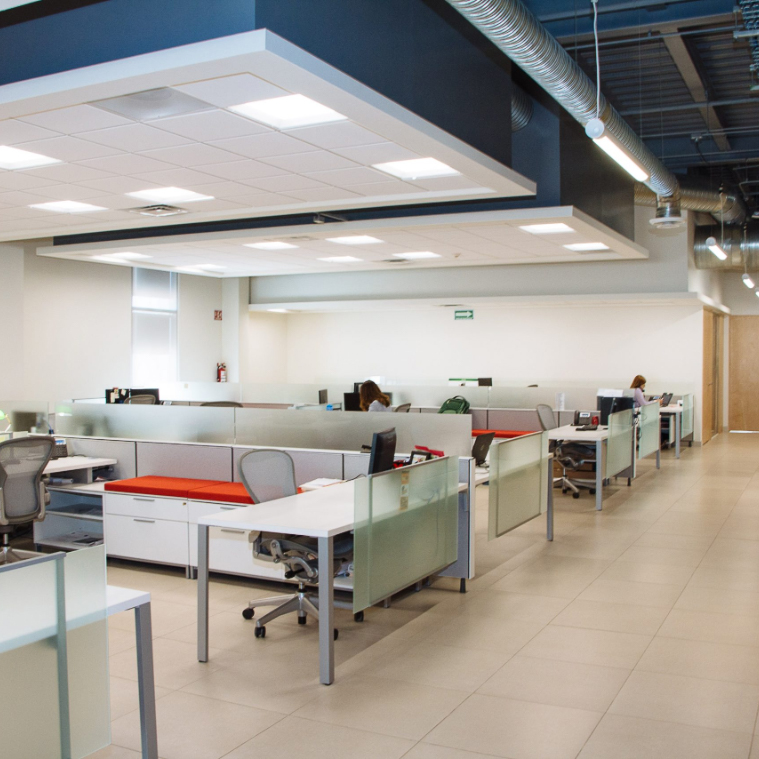
Commercial cleaning, when done poorly, is invisible until it fails. When done correctly, it becomes something far more interesting: an operational advantage. Clean spaces don’t just look better—they behave better. They reduce cognitive load, improve morale, lower absenteeism, and subtly tell every client who walks through the door that this organization has its act together.
This article covers two things:
- Modern commercial cleaning best practices—what actually works in 2026, not what janitorial manuals wrote in 1994.
- The LexClean Method—a systems-based approach to creating beautiful, low-stress environments that quietly improve business outcomes.
No floral-scented fluff. No mop-and-bucket nostalgia. Just disciplined cleanliness as infrastructure.
Why Commercial Cleaning Is a Business Decision (Not a Cosmetic One)
Let’s start with an inconvenient truth: most workplaces are technically clean and functionally stressful.
Dust-free desks coexist with visual clutter. Floors are mopped, but air quality is ignored. Trash is removed, yet restrooms feel like endurance tests. The result? Spaces that meet minimum standards while quietly draining focus and energy.
Research consistently shows that clean, well-organized environments:
- Reduce stress hormones
- Improve task focus and memory retention
- Increase perceived professionalism and trust
- Lower sick days and cross-contamination risks
- Improve employee satisfaction and retention
In other words, cleaning isn’t about appearance—it’s about performance psychology.
Commercial Cleaning Best Practices (That Actually Matter)
1. Clean What People Interact With, Not Just What They See
High-touch surfaces are the real battleground:
- Door handles
- Light switches
- Shared desks and conference tables
- Breakroom appliances
- Restroom fixtures
Best practice: touchpoint-first cleaning, prioritized daily, not weekly.
If it gets touched more than it gets looked at, it deserves obsessive attention.
2. Air Quality Is Part of Cleaning (Pretend It’s 2026)
Offices obsess over surfaces and ignore the thing employees inhale eight hours a day.
Modern commercial cleaning includes:
- Dust and allergen reduction (especially vents and corners)
- HEPA-filter vacuuming
- Low-VOC, non-irritating cleaning agents
- Odor neutrality (not “spring meadow,” just nothing)
A clean space should smell like air, not chemicals trying too hard.
3. Consistency Beats Intensity
One heroic deep clean followed by weeks of neglect is worse than a steady, disciplined routine.
Best practice:
- Clear cleaning schedules
- Documented standards
- Repeatable checklists
- Accountability systems
Cleaning should feel boringly reliable. If it’s dramatic, something’s wrong.
4. Restrooms Are the Brand’s Subconscious
Clients judge your entire organization in about 12 seconds—often in the restroom.
Commercial restroom best practices:
- Spotless fixtures (no exceptions)
- Fully stocked supplies at all times
- Neutral scent
- Floors and corners as clean as visible surfaces
A dirty restroom erases ten polished conference rooms. Instantly.
5. Visual Calm Is a Cleaning Outcome
Clutter creates cognitive noise. Even if employees “don’t notice it anymore,” their brains do.
Modern cleaning includes:
- Trash and recycling discipline
- Surface clearing (not rearranging—resetting)
- Alignment of furniture and objects
- Removal of visual debris (paper piles, random items)
The goal isn’t sterile minimalism. It’s mental breathing room.
Enter the LexClean Method™
Cleaning as Environmental Design
The LexClean Method was built on a simple idea: cleaning should make spaces feel better to exist in, not just pass inspections.
Instead of asking “Is it clean?”, LexClean asks:
Does this space reduce friction, stress, and distraction for the people using it?
The method is structured around four principles.
1. Intentional Cleanliness
Every space has a purpose. Cleaning should support that purpose.
- Offices → focus, clarity, professionalism
- Retail → trust, calm, confidence
- Medical → safety, reassurance, sterility without fear
- Hospitality → comfort, warmth, order
LexClean doesn’t apply one cleaning standard to all environments. It designs the clean around the function of the space.
2. Sensory Balance (Not Sensory Overload)
Many cleaning services assault the senses:
- Overpowering scents
- Harsh chemical residue
- Glossy surfaces that reflect stress-inducing light
The LexClean Method emphasizes:
- Neutral smell
- Soft visual consistency
- Clean without “shine theater”
- Calm over sparkle
A well-cleaned space should feel composed, not manic.
3. Stress-Reducing Systems
Mess creates micro-decisions. Micro-decisions create fatigue.
LexClean focuses on:
- Resetting shared spaces
- Reducing visual randomness
- Maintaining predictable layouts
- Eliminating “where did that come from?” moments
The result is a space that quietly cooperates with its occupants.
4. Business Outcomes as the North Star
Here’s the part most cleaning companies never talk about.
LexClean measures success by:
- Employee feedback
- Client perception
- Repeat business
- Workplace satisfaction
- Operational smoothness
Cleanliness is treated as operational support, not a commodity service.
When employees feel better at work, they work better. When clients feel calm and confident in your space, deals close easier. This isn’t mysticism—it’s environmental psychology.
Why Beautifully Clean Spaces Win
In competitive markets, differentiation often comes down to details that aren’t on the invoice.
A well-cleaned space:
- Signals discipline
- Communicates respect
- Reduces friction
- Enhances trust
People may not consciously say, “This office is clean, therefore I trust them.”
But their nervous system does.
Final Thought: Cleanliness Is Strategy Wearing Gloves
The future of commercial cleaning isn’t about more chemicals, louder machines, or faster crews. It’s about thoughtful systems, human-centered environments, and cleanliness as quiet infrastructure.
The LexClean Method exists because businesses deserve spaces that:
- Think clearly
- Feel calm
- Perform consistently
Clean isn’t the goal.
Better is.
Two minutes to a starting number.
The online estimator gives a range in under two minutes. The walkthrough quote is the real one.